
Call quality assurance (QA) is a vital part of the sales process. But have you ever stopped to ask: how much time does it really take? And more importantly—what’s the cost of sticking with manual QA processes (or no QA process) when automation can deliver better insights, faster?
The Real Cost of Manual Call Review
Let’s walk through a typical scenario for just one lead-gen-focused sales representative.

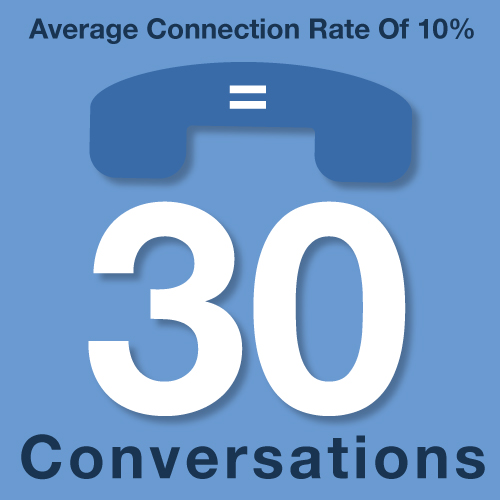

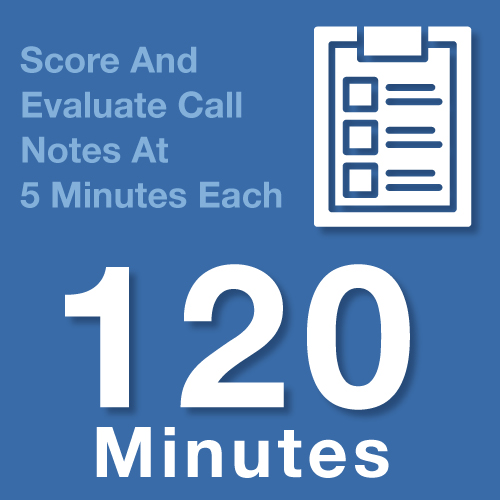
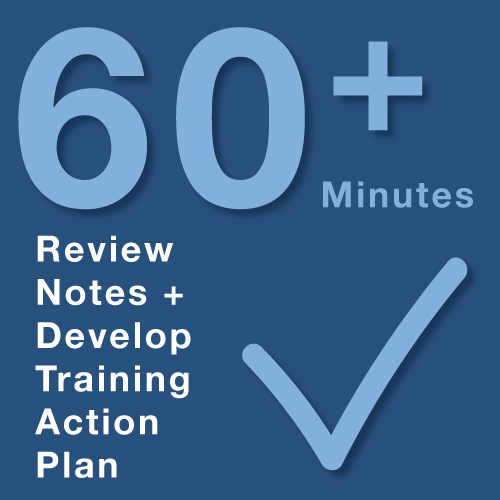
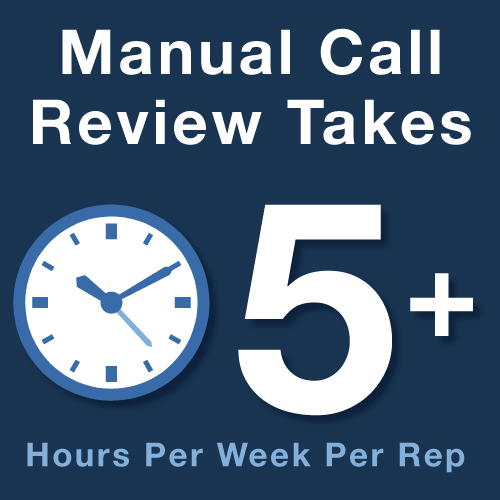
And that’s not including:
- Time for coaching sessions
- Potential re-listening to clarify points
- Follow-up on missed objections
- Manual documentation inconsistencies
- Delays in surfacing trends or gaps in messaging
Multiply that across a sales team of 10–20 reps, and you’re looking at 50–100 hours per week. That’s more than two full-time employees just to listen and score calls.
The Hidden Risks of Manual QA
Time isn’t the only thing at stake. Manual QA processes can also suffer from:
- Human bias — Unconscious preferences can skew scores or coaching.
- Inconsistent evaluation — One manager may flag a missed objection, another may overlook it.
- Surface-level insights — Manual reviews often miss deeper patterns in objection handling or messaging adherence.
In a fast-moving sales environment, these issues can quickly result in slower ramp time for new hires, reps continuing ineffective talk tracks, and the biggest one: Missed revenue opportunities.

Why Automation Changes the QA Game
Enter intelligent tools like CallQAi—its one of several solutions designed to automate and enhance the QA process. Here’s how it using some type of QA automation tool can transform call evaluation:
1. Rapid Call Analysis
AI can review and analyze those 30 meaningful conversations in minutes, not hours, against various criteria and identify key themes in the talk tracks and buyer sentiment across against call outcomes.
Tip: Look for a tool that will review 100% of you team’s calls, not just a sampling, to provide a full view of what’s happening on the phones.
2. Objective Scoring
No more subjective reviews. Scoring criteria are consistently applied when using an AI tool, so the risk of bias won’t skew the results.
Something to Look For: CallQAi goes a step further than most QA tools and evaluates against your company’s specific criteria like script, company knowledge, sales playbook, and scorecard, so it provides relevant feedback.
3. Instant Coaching Insights
Most automated QA platforms don’t just grade calls—they deliver coaching recommendations, so managers spend less time note-taking and more time developing their team by focusing on the things that matter the most.
Differentiator: Just like the scoring criteria, CallQAi’s coaching insights are specific and relevant to your company because of the tailored knowledge that is added into the system. Other tools use open AI, which may provide some direction, it will be generic and potentially not actionable for your team.
4. Trend Discovery
AI-based QA tools easily document patterns of what is heard on the phone and in rep performance to deliver the insights that can make a difference in creating more positive call outcomes. Imagine quickly being able to find out: What objections keep coming up? Which playbooks are being followed? What messaging sticks?
Look For: CallQAi uncovers patterns across individual reps, a single call, a full campaign, or the entire team. Look for a tool that can easily evaluate your call data in multiple ways to help see what factors your team should focus on.
Stop Losing Time. Start Gaining Insight.
Sales leaders and enablement teams shouldn’t have to choose between thorough QA and efficient processes. With automated QA tools, like CallQAi, it’s possible to do both—saving hours per week and unlocking smarter, faster coaching strategies.
The question isn’t “Can you afford to automate your QA?“
It’s “Can you afford not to?“
Experience the CallQAi Advantage
If you’re ready to revolutionize your QA process and maximize your sales team’s potential, reach out to us today. Learn how CallQAi can help your business drive better sales conversations, higher conversion rates, and a stronger competitive edge.